
| Reading time: 5 mins |
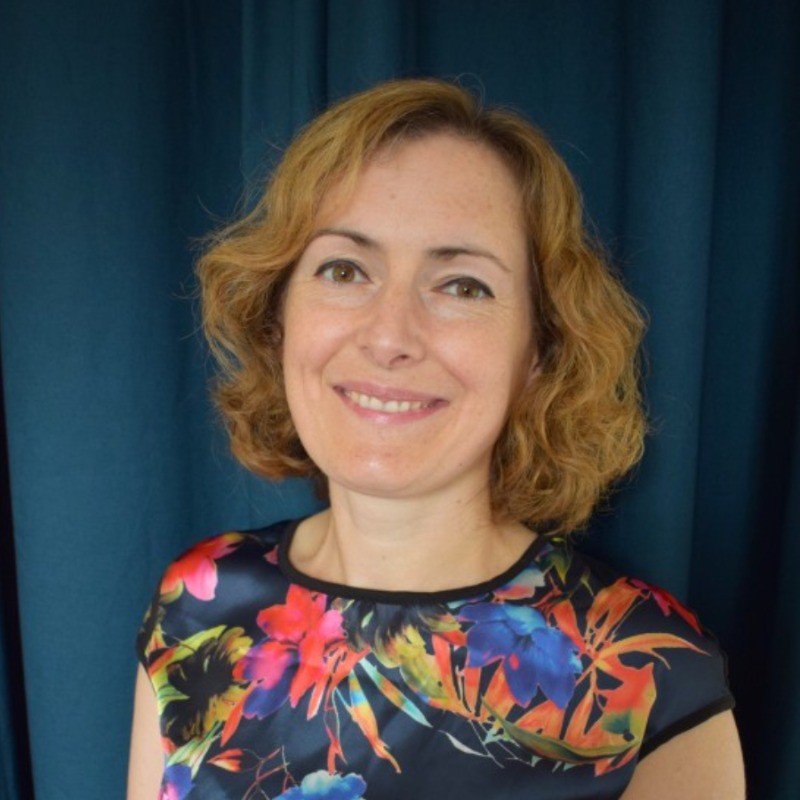
Laura Leslie and I first met during our coaching diploma with The Coaching Academy. It was during one of our all-day accelerator sessions when we immediately hit it off. Then, we did some reciprocal coaching together and championed each other to our graduation.
Fast forward to today and we’re now business partners. We launched Lead Next to support new and aspiring leaders through group coaching workshops, and other programmes as our offering grows. Leadership development and self-awareness is something we’re both super passionate about, whether it’s 1:1, group coaching, or in-house at organisations.
Laura has a wealth of experience in academia, research, and STEM. She’s a Chartered Engineer and Fellow of the IMechE, has spent over 20 years in Higher Education, and is former Head of the School of Engineering and Technology at Aston University.
Laura is now founder of her own practice Siskin Coaching, and (of course) Co-Founder of Lead Next.
I’m grateful Laura and I found one another through TCA. Our skills and experience beautifully contrast for a rich programme, but we’re perfectly aligned in value-led coaching and a dedication to empowering others.
Without further ado, I interviewed Laura on her leadership journey and what she learnt along the way…
Q: You held one of the most senior engineering leadership roles in academia as Head of the School of Engineering and Technology at Aston. What was your key learning about leadership from that role?
A: I learnt a lot in that role and as Head of Department. Someone said to me early on that the more senior the role, the less of a guidebook there is. And that was absolutely true! So I learnt to expect the unexpected and to be more adaptable, because you might go into a leadership role with a plan, but there will always be unknown challenges ahead.
It also taught me to learn all the time, to see what’s happening around me, who I can learn from, to reflect on what has gone well, and what I would do differently next time. And mainly, to know myself, what my own values are and to work with those values as a leader as well as stretching my comfort zone.
“How we behave, the decisions we make, and what we do as a person, means we are always potentially influencing someone.“
Q: As you became more visible in senior roles, what shifted for you in terms of responsibility and being a role model?
This was a really strange lesson for me, because inside I was still me, but I hadn’t realised that other people saw me differently.
I remember the first time someone described me as a role model — I was surprised. And my colleague was surprised that I was surprised!
I would say that even though we may become more visible in more senior roles, actually we are all role models in our own settings. That could be with our family, friends, sports groups, work, etc. How we behave, the decisions we make, and what we do as a person, means we are always potentially influencing someone.
Q: What does effective (and ineffective) leadership look like from your perspective?
I would say that in some ways it depends on the setting and circumstance.
“Having good communication, empathy and honesty are key to effective leadership in any setting.”
But whether it is striving for high performance in your team, or dealing with a setback or challenge, for me an effective leader will not just be looking at outputs. They will be treating each team member as an individual, and as a fellow human being. Having good communication, empathy and honesty are key to effective leadership in any setting.
Q: What brought you to coaching?
I spent 20 years in Higher Education, and for me, particularly in the leadership roles, the best bit of my job was empowering others to grow and succeed, whether that be staff or students.
Also, I had been fortunate enough to have two amazing executive coaches throughout my leadership roles. So the combination of what I enjoyed the most in my past roles, and knowing the power of coaching, meant it felt like the perfect move.
Q: How important is self care for you and how do you practice it?
Self care is vital, not just for me, but for everyone around me. Because if I don’t look after myself, then I cannot give my best to others.
I practice it through good sleep quality, exercise, time outdoors and using apps like Calm for guided activities.
Q: If someone had never had coaching before, how would you describe it to them?
A coaching session gives time and space to think, dream, or just unpick whatever is on your mind. It’s a place where you can be completely honest without fear of judgement.
Coaching unlocks confidence, ideas, decisions and thoughts. The power comes from the way coaches use tools and techniques for you to find your own way to these answers. And finding your own way means greater ownership, commitment, understanding and authenticity.
Q: Which animal or plant best represents you, and why?
This is difficult!
Probably a deer as I love being in the woods, I like to run, and I only eat plants. I’m just a lot less nimble and delicate… Not the answer anyone was expecting, even me.
Q: If your career could be represented by a song, what song would it be?
On a good day, I would say the song “Living Free” (I won’t mention the artist here), as it is about living true to yourself and making your own choices in a life that isn’t a rehearsal.
It’s a song that represents the more difficult decisions or routes I have chosen where an easier life would have been possible, but wouldn’t have matched my values and beliefs. It’s also a song with lots of energy, which I often seem to have too much of!
📅 Lead Next: The Self-Awareness Advantage – Cohort 2
🗓 11th March
💻 Online
⏰ 1pm–5pm (GMT)
This is your last chance to grab our exclusive early bird discount!
👉 Register your interest
 Dawn Murden Coaching
Leave a comment